Integrating field entomology, in-country genomics, One Health surveillance, climate monitoring, capacity building, and predictive transmission modelling.
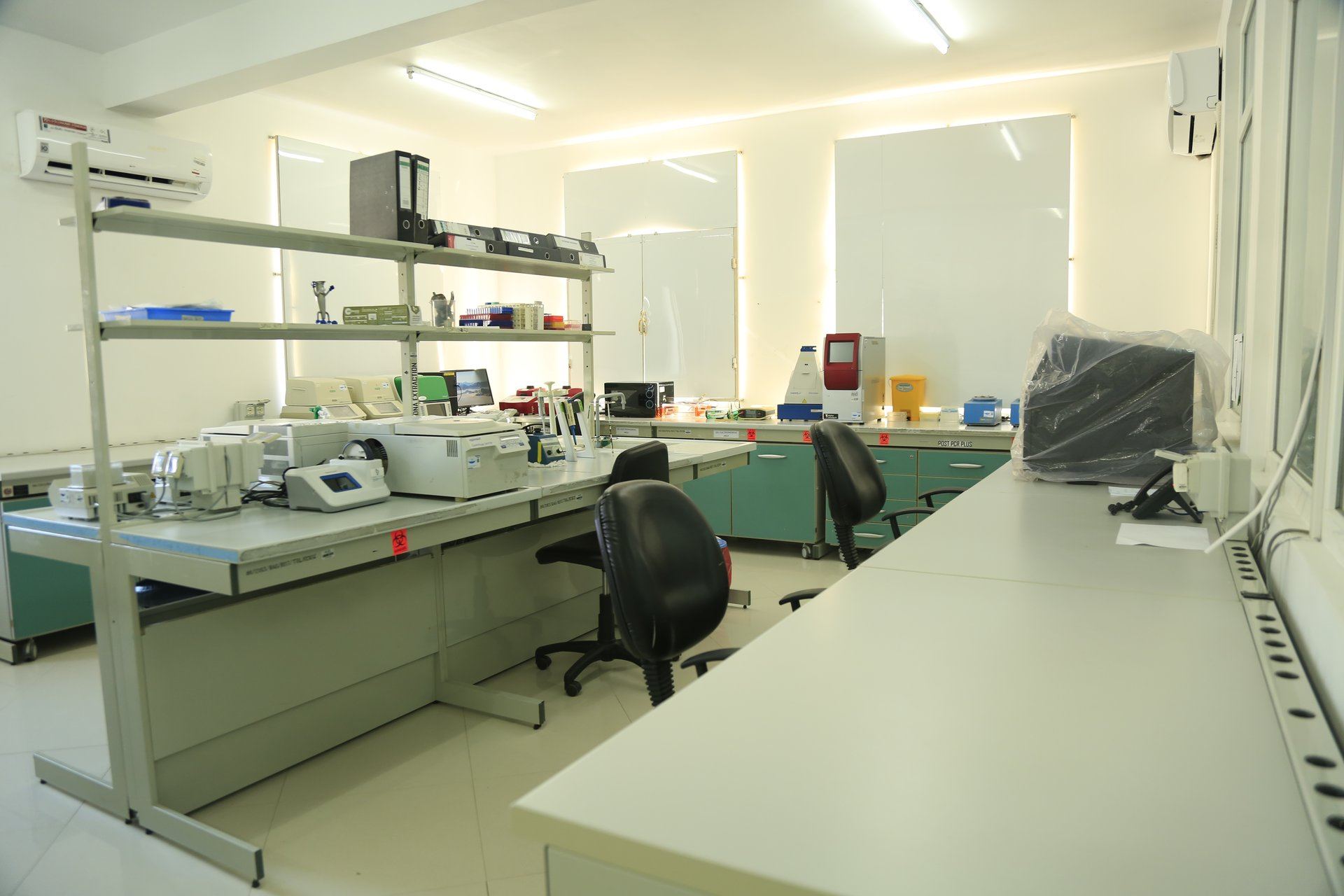
Portable sequencing for species identification, pathogen detection, blood-meal sources, and resistance profiling.
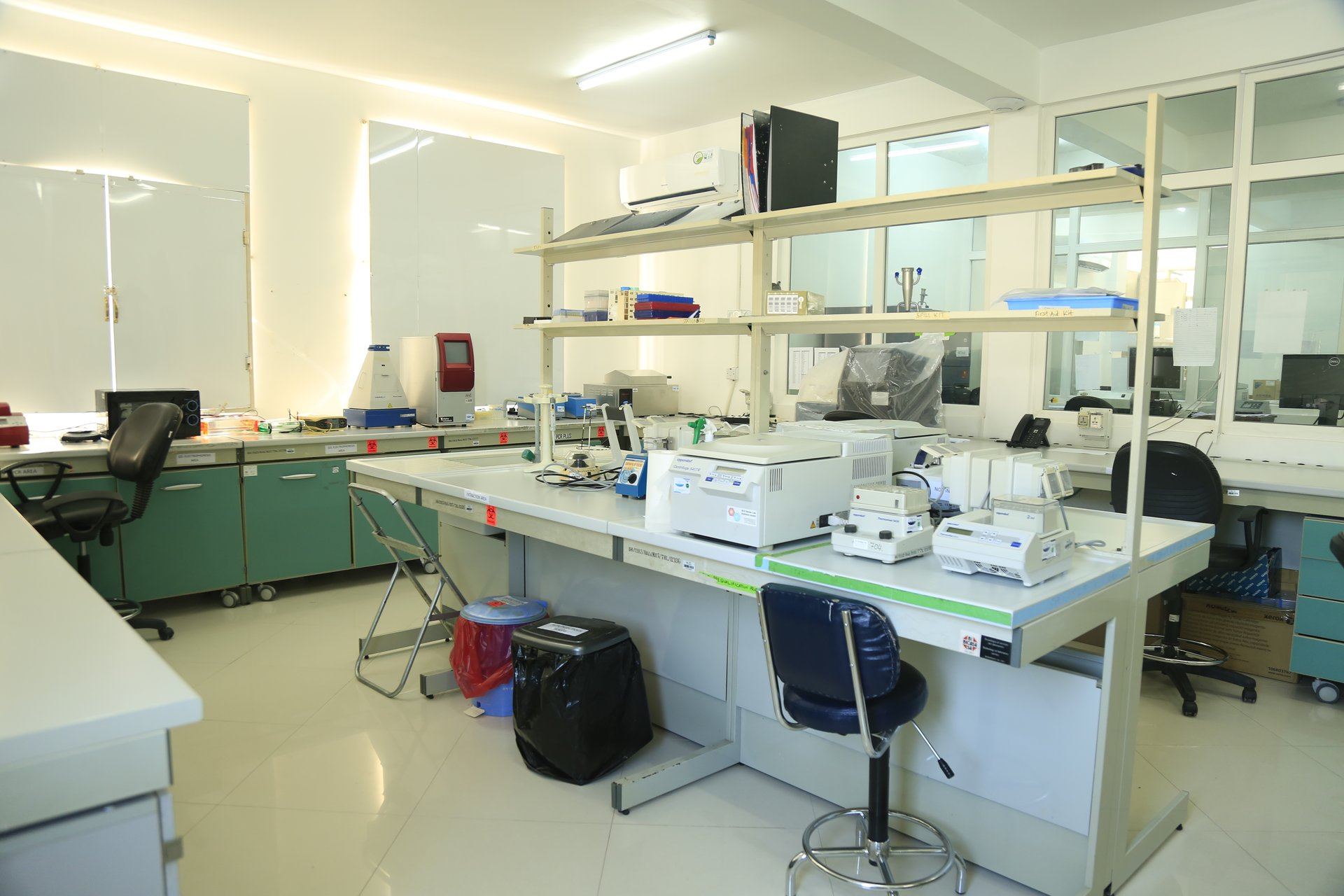
Rapid age-grading and species identification without reagents.
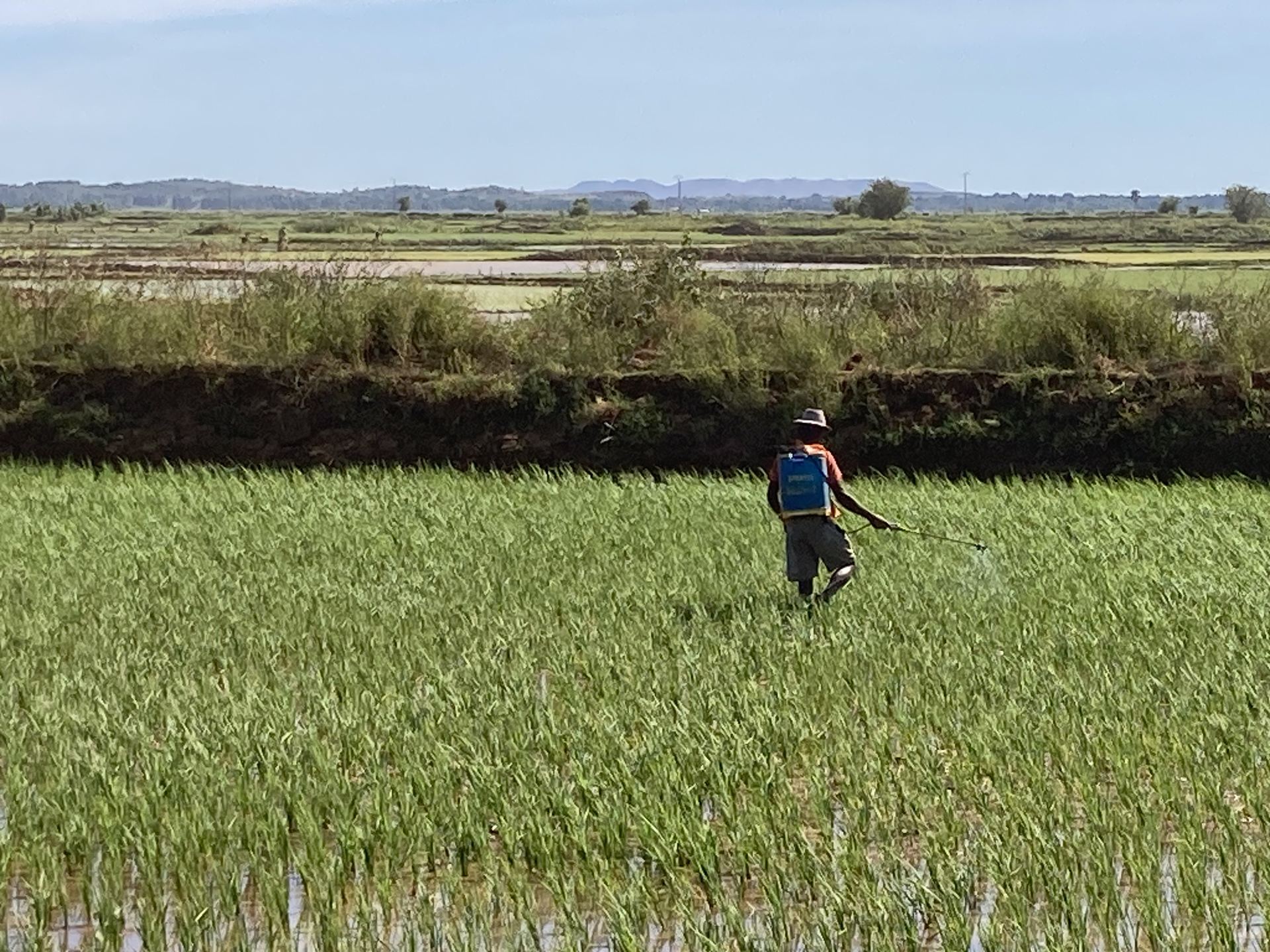
Weather stations logging temperature, rainfall & relative humidity.
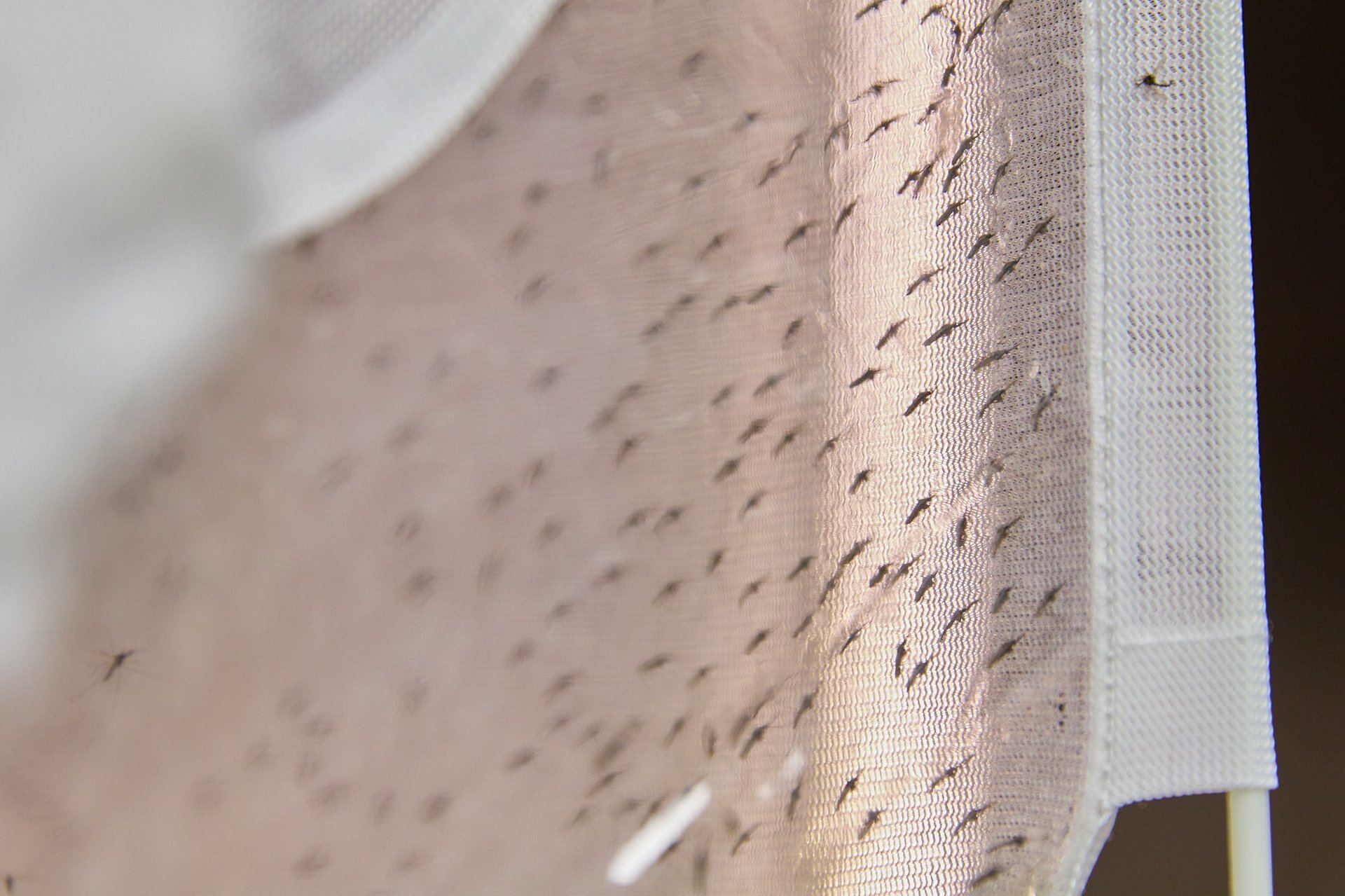
Spatial transmission models forecasting vector hot spots.
Integrating field entomology, in-country genomics, One Health surveillance, climate monitoring, capacity building, and predictive modeling.
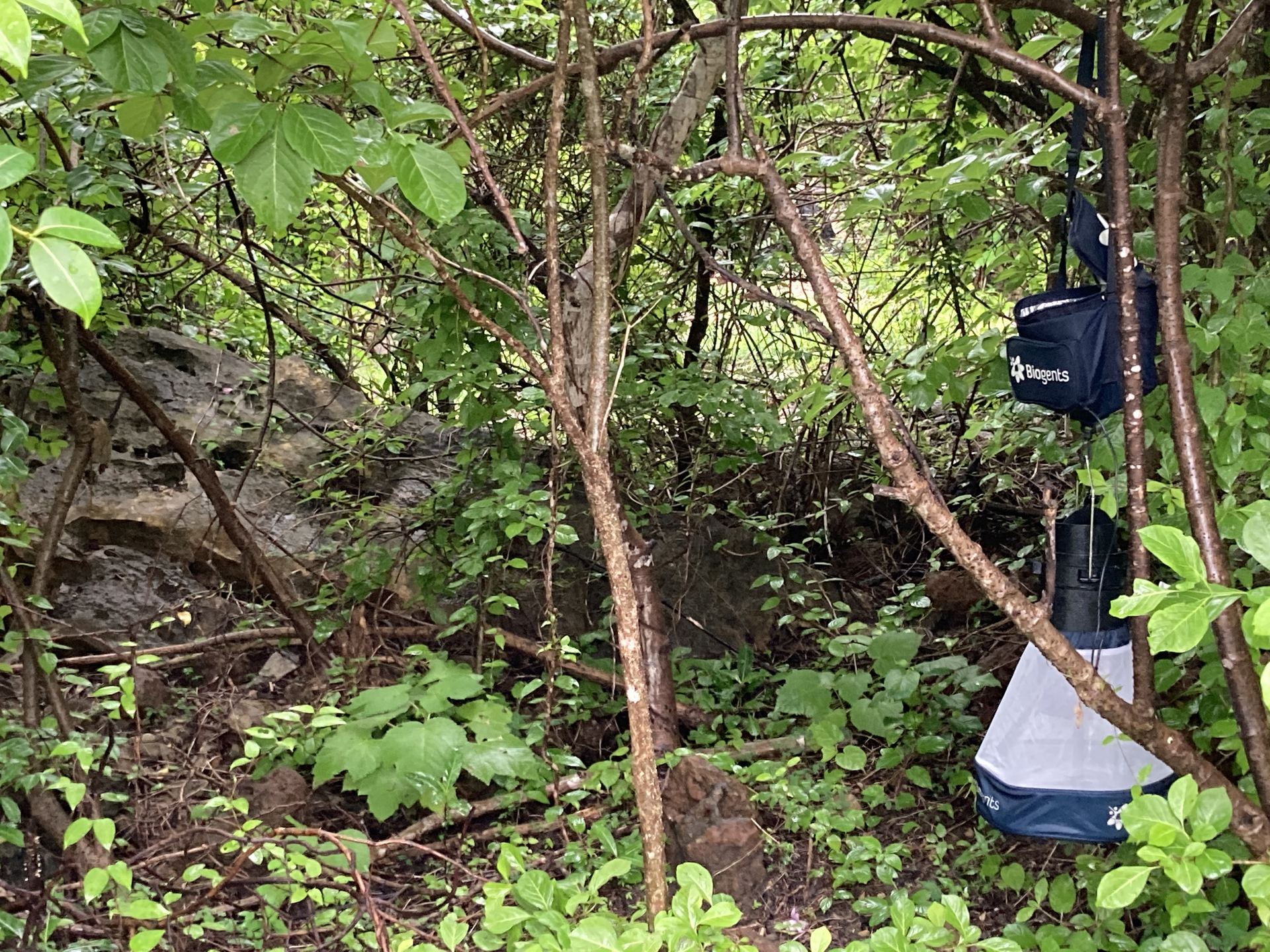
Standardised monthly and biannual sampling to track mosquito abundance, species composition, distribution, seasonality, behaviour, host preferences, larval ecology, and insecticide resistance across diverse observatory settings.
Strengthening in-country capacity to identify mosquito species, detect pathogens, determine blood-meal sources, and monitor population structure and insecticide-resistance markers using targeted molecular assays and genomic sequencing.
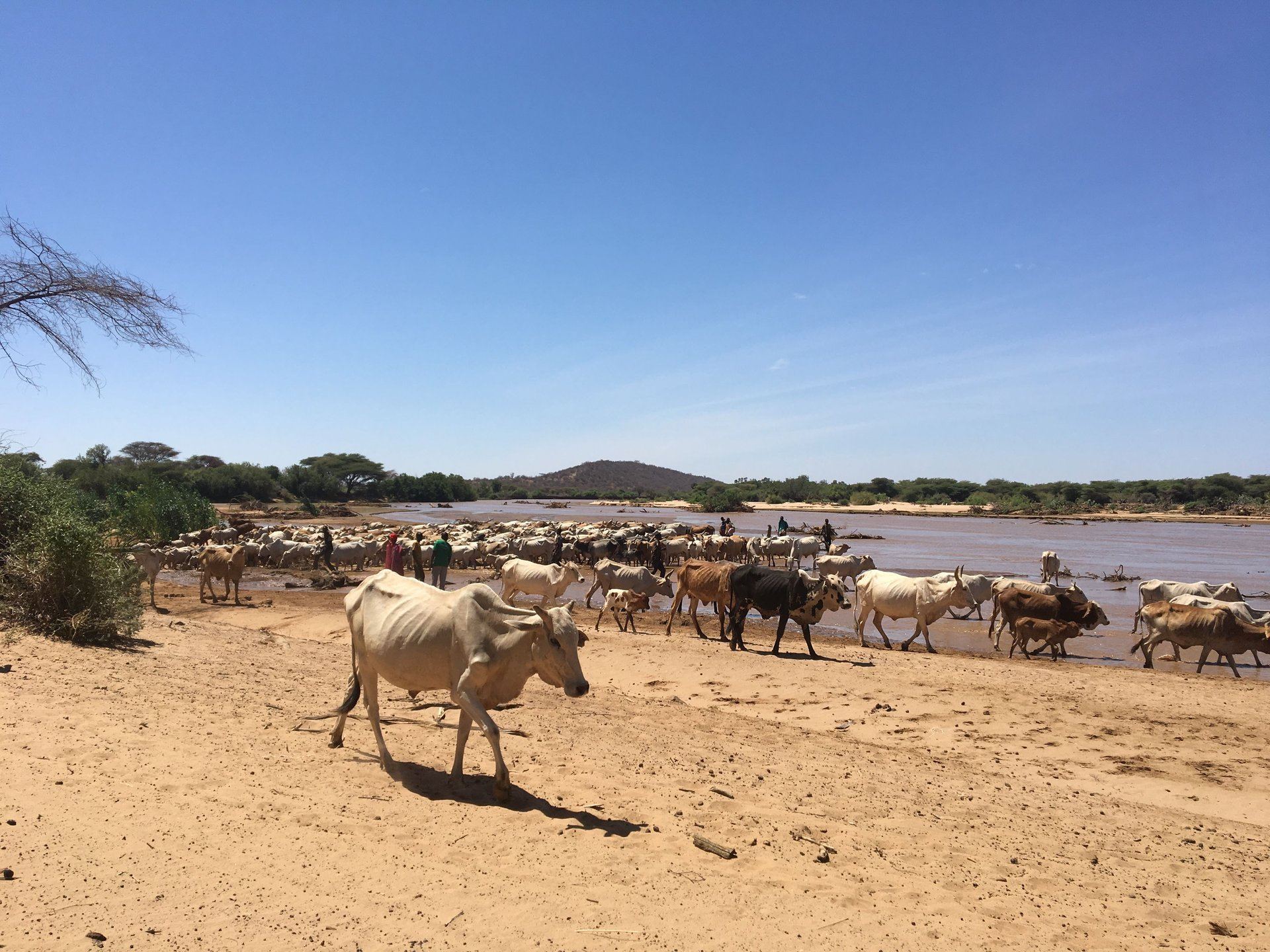
Integrating vector, environmental, human health, and selected animal health data to improve surveillance of mosquito-borne diseases, with Rift Valley fever in Tanzania serving as the initial One Health model.
Combining weather-station, microclimate, satellite, and land-use data to assess how environmental change affects mosquito populations, transmission patterns, and disease risk.
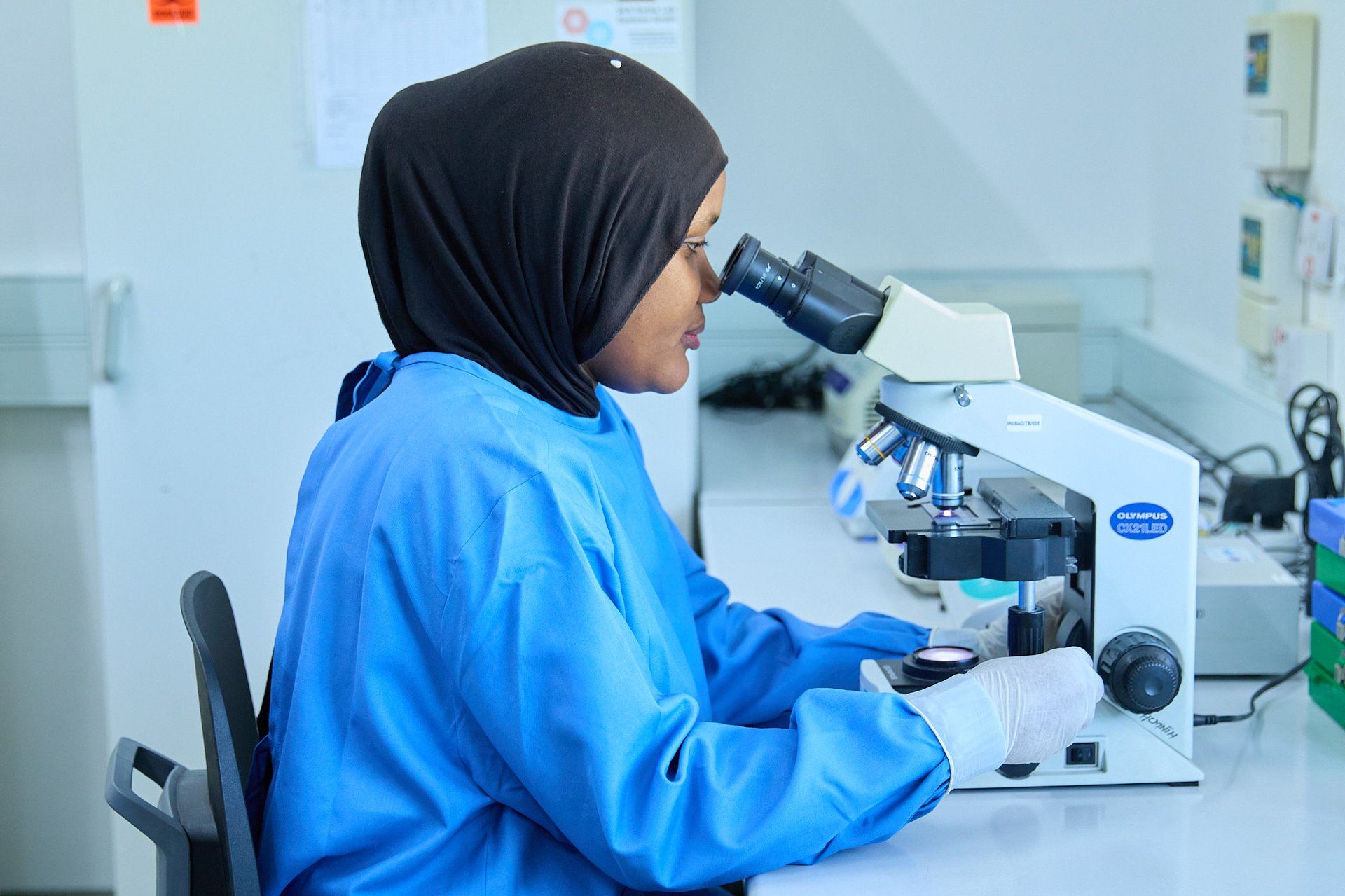
Supporting African scientific leadership through five country-linked PhD studentships and practical training in entomology, genomics, bioinformatics, modelling, and surveillance.
Integrating entomological, environmental, health, and intervention data to forecast mosquito-borne disease risk, evaluate control scenarios, and support in-country public-health decision-making.