Generating long-term, open-access entomological, genomic, and disease surveillance data across East & Southern Africa.
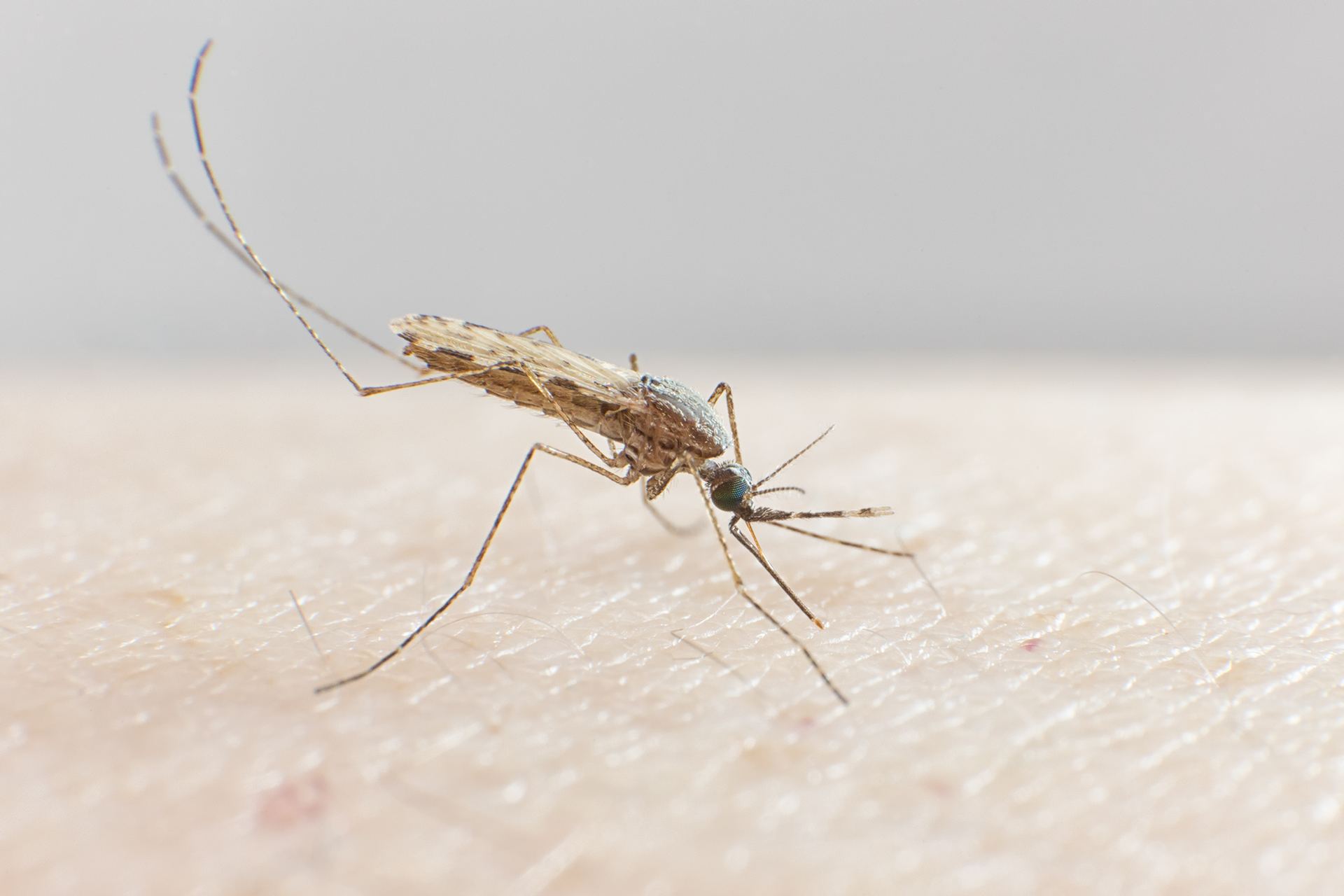
Integrating weather, environmental land-use, and vector behavior to predict disease transmission hotspots.
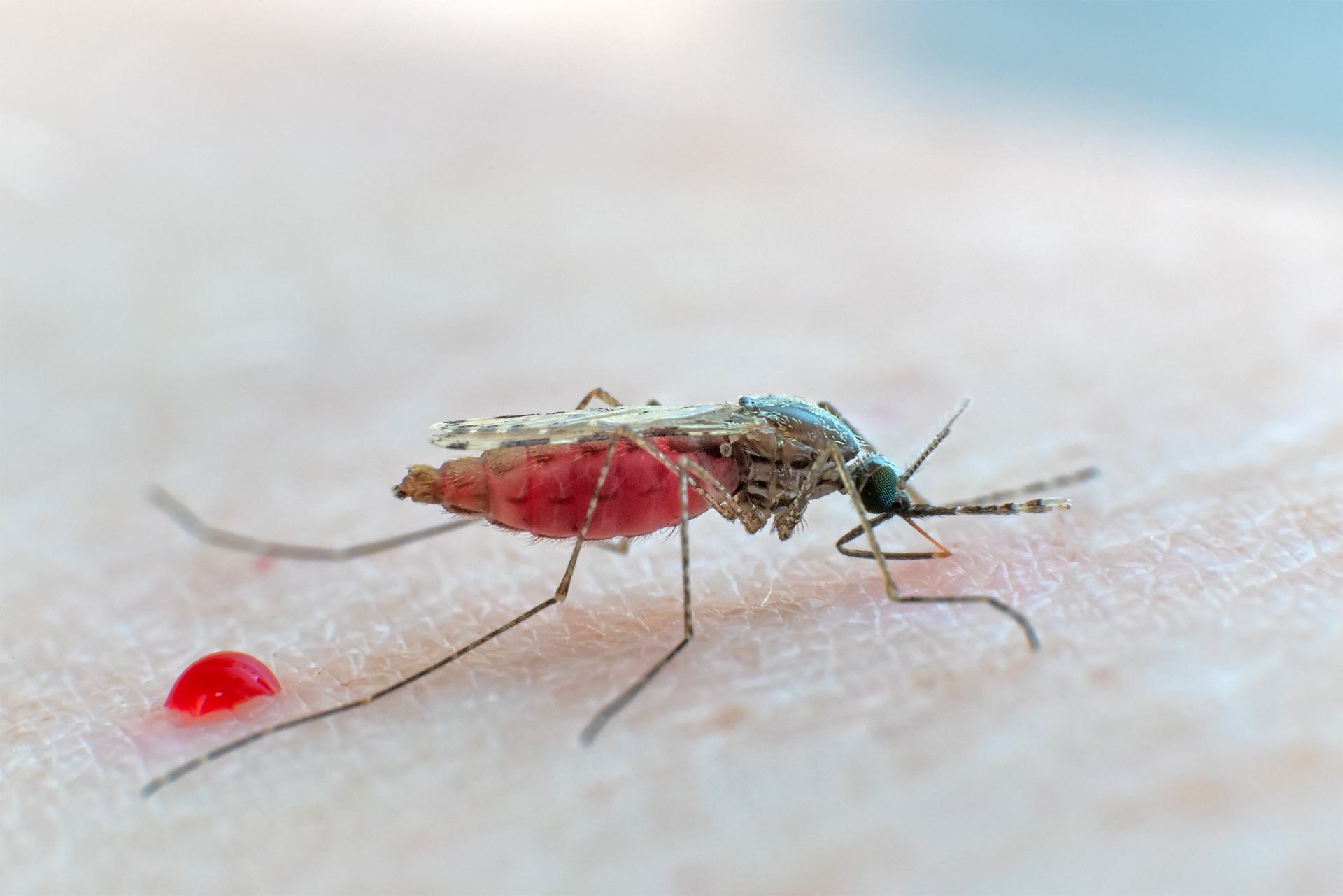
Equipping national partners with portable genomic sequencing and FTIR spectroscopy.
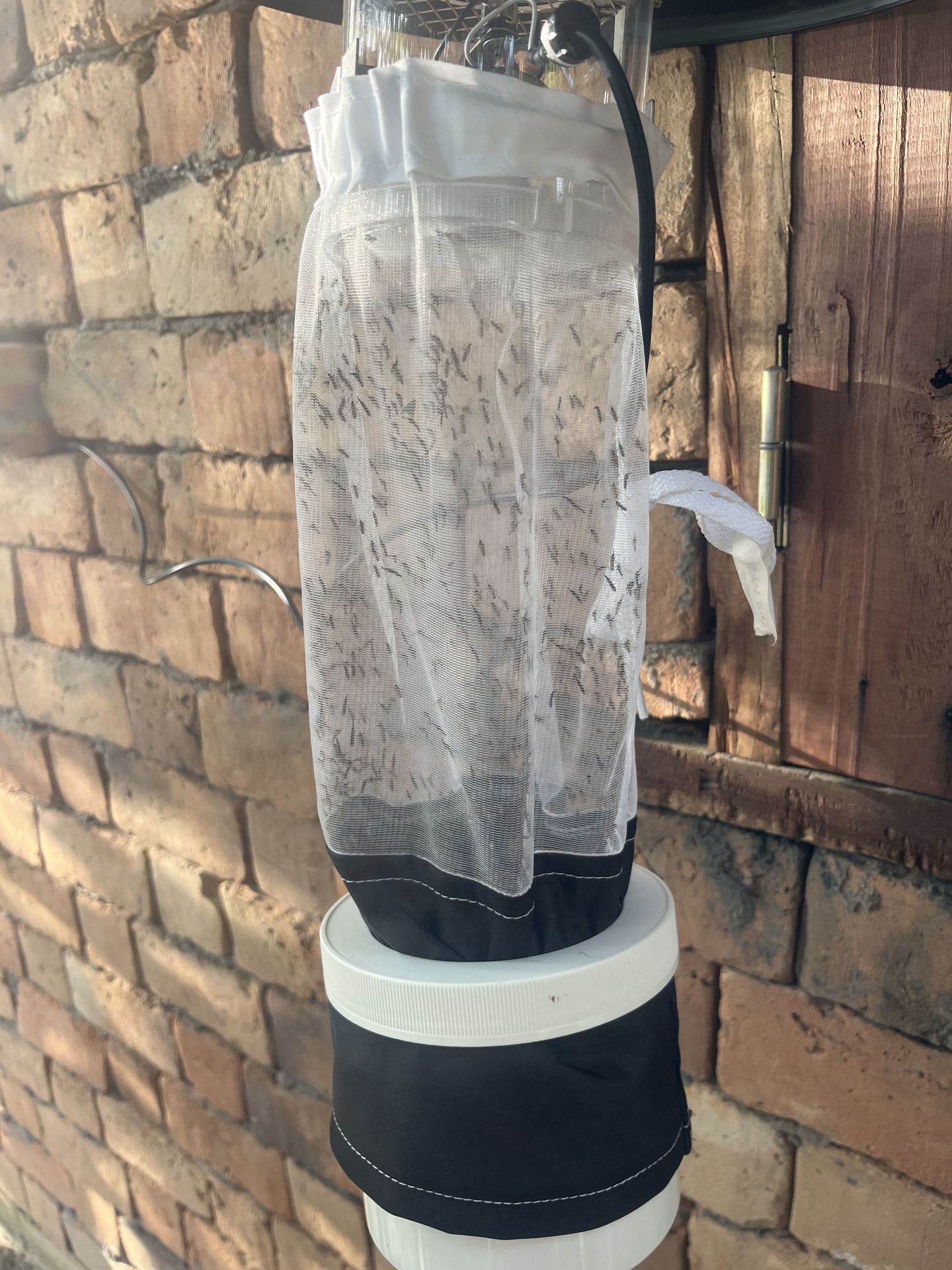
Standardized, multi-country monitoring stations strengthening outbreak preparedness across tropical Africa.
Tropical Africa faces a significant burden of mosquito-borne diseases affecting human and animal health-including malaria, dengue, chikungunya, Rift Valley fever, and yellow fever.
Despite their impact, many nations lack comprehensive, long-term local data to track vector species evolution, insecticide resistance, and climate drivers. VectorGrid-Africa establishes permanent monitoring stations that generate open-access scientific insights to strengthen national health responses.
Harmonized sampling across countries.
On-site genomic sequencing technology.
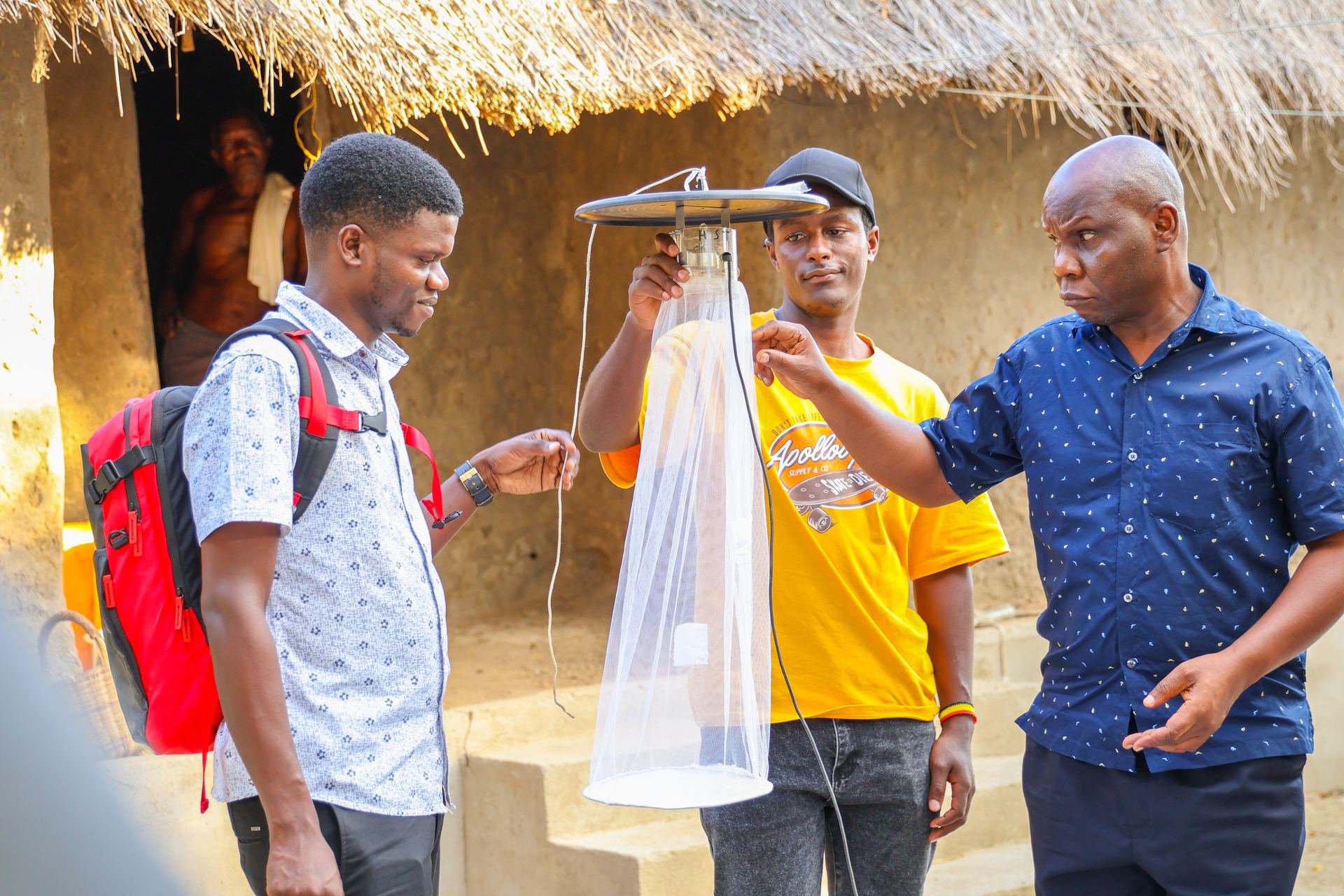
Six interconnected research focus areas. One permanent African observatory.
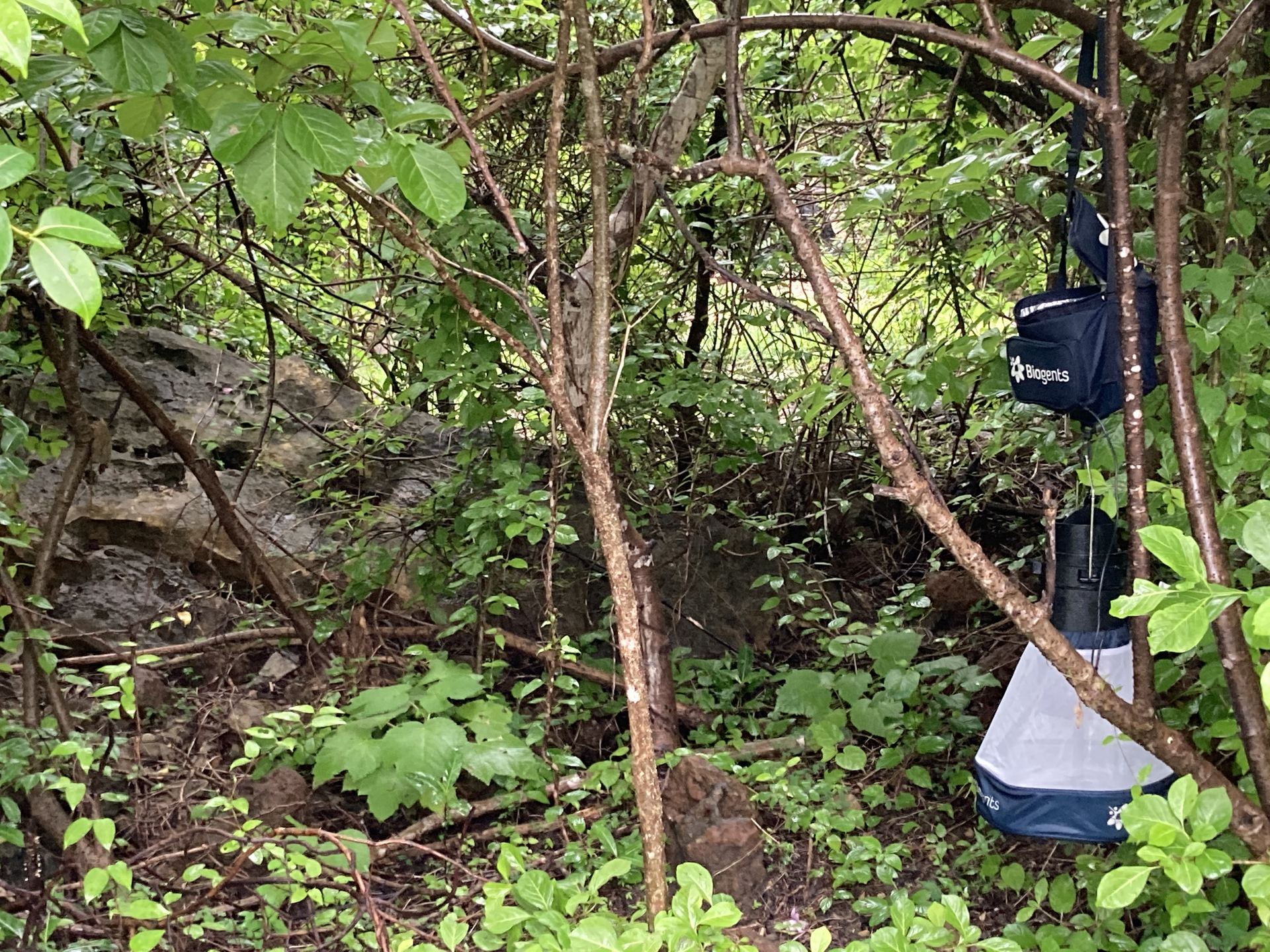
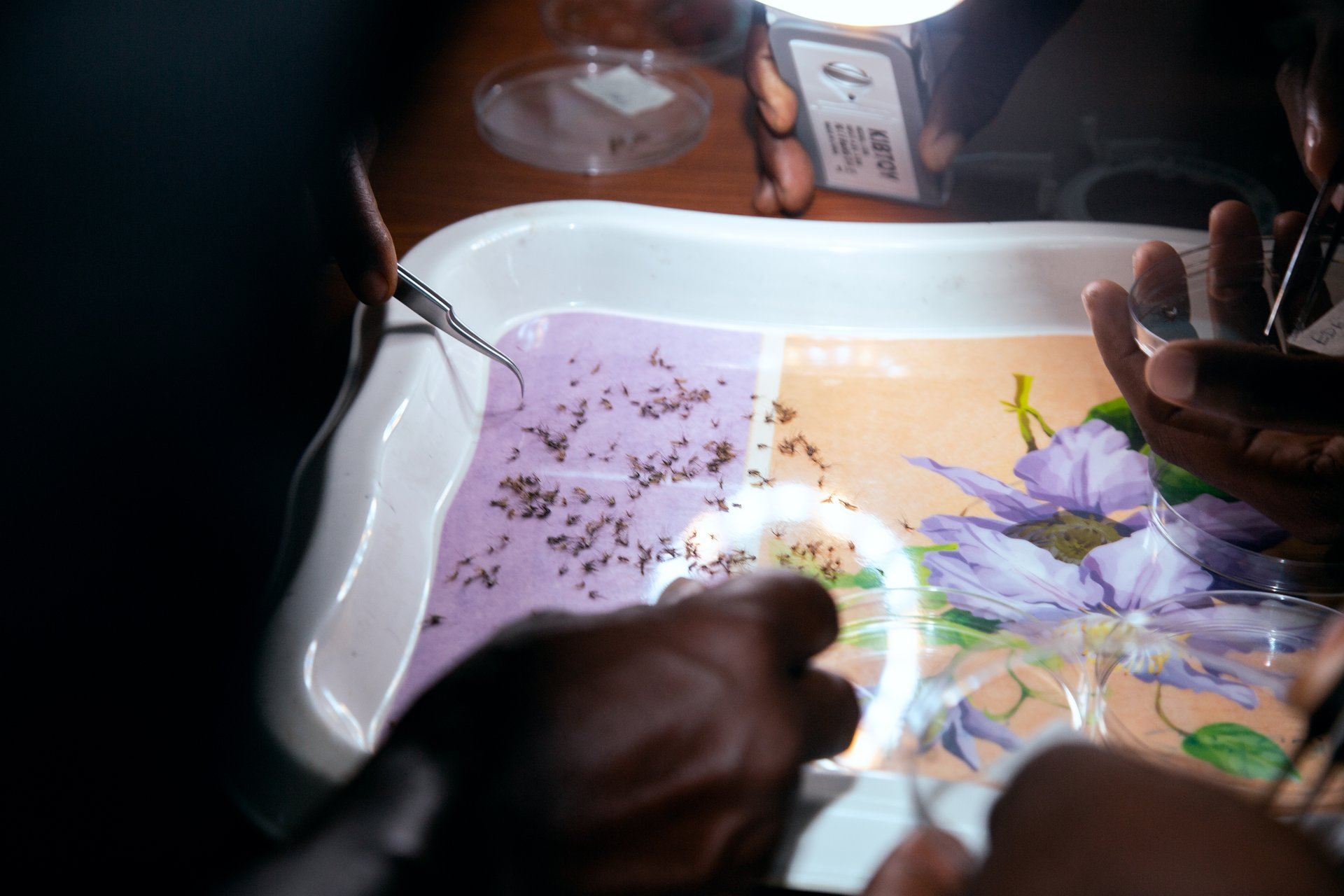
Standardised monthly and biannual sampling to track mosquito abundance, species composition, distribution, seasonality, behaviour, host preferences, larval ecology, and insecticide resistance across diverse observatory settings.
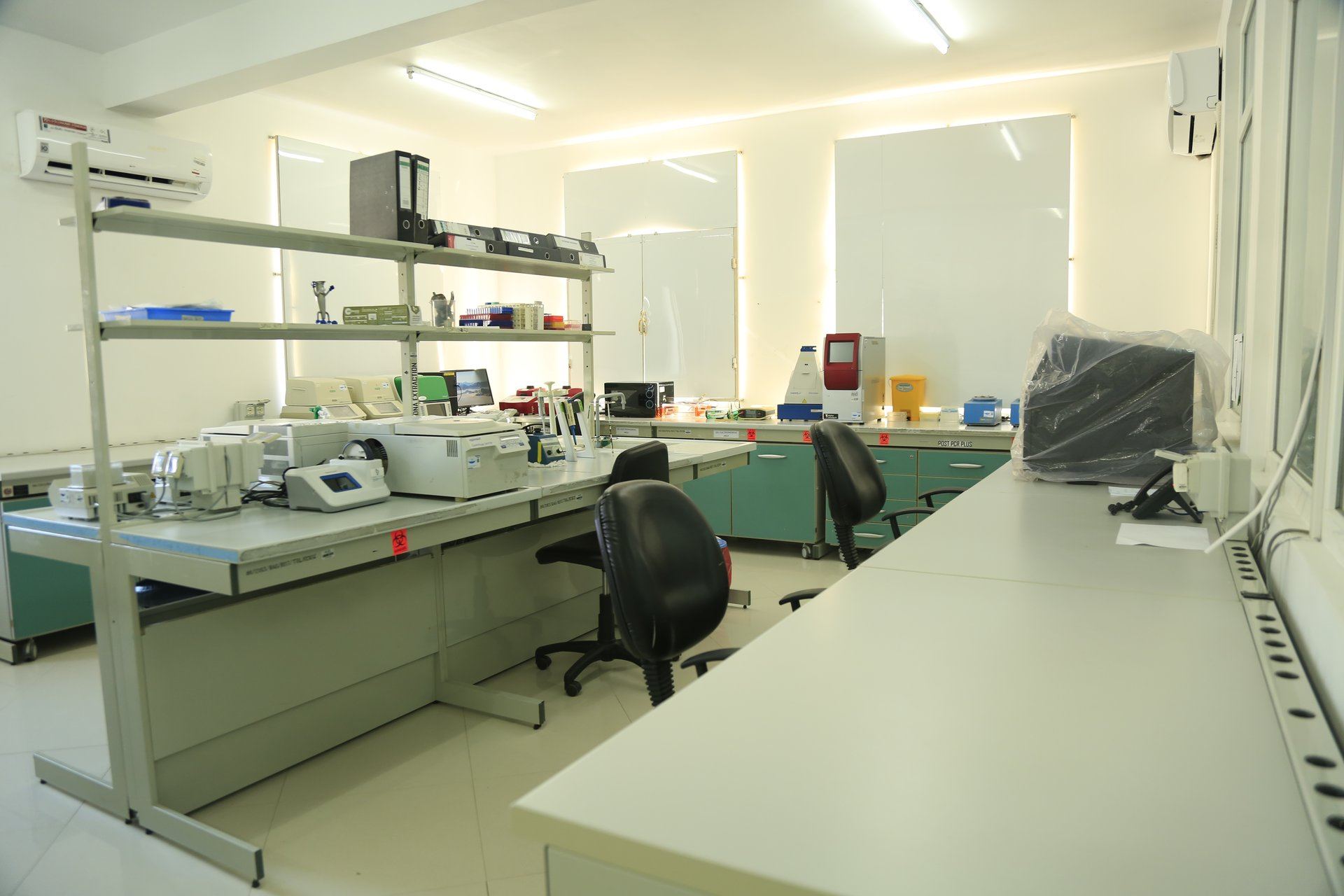
Strengthening in-country capacity to identify mosquito species, detect pathogens, determine blood-meal sources, and monitor population structure and insecticide-resistance markers using targeted molecular assays and genomic sequencing.
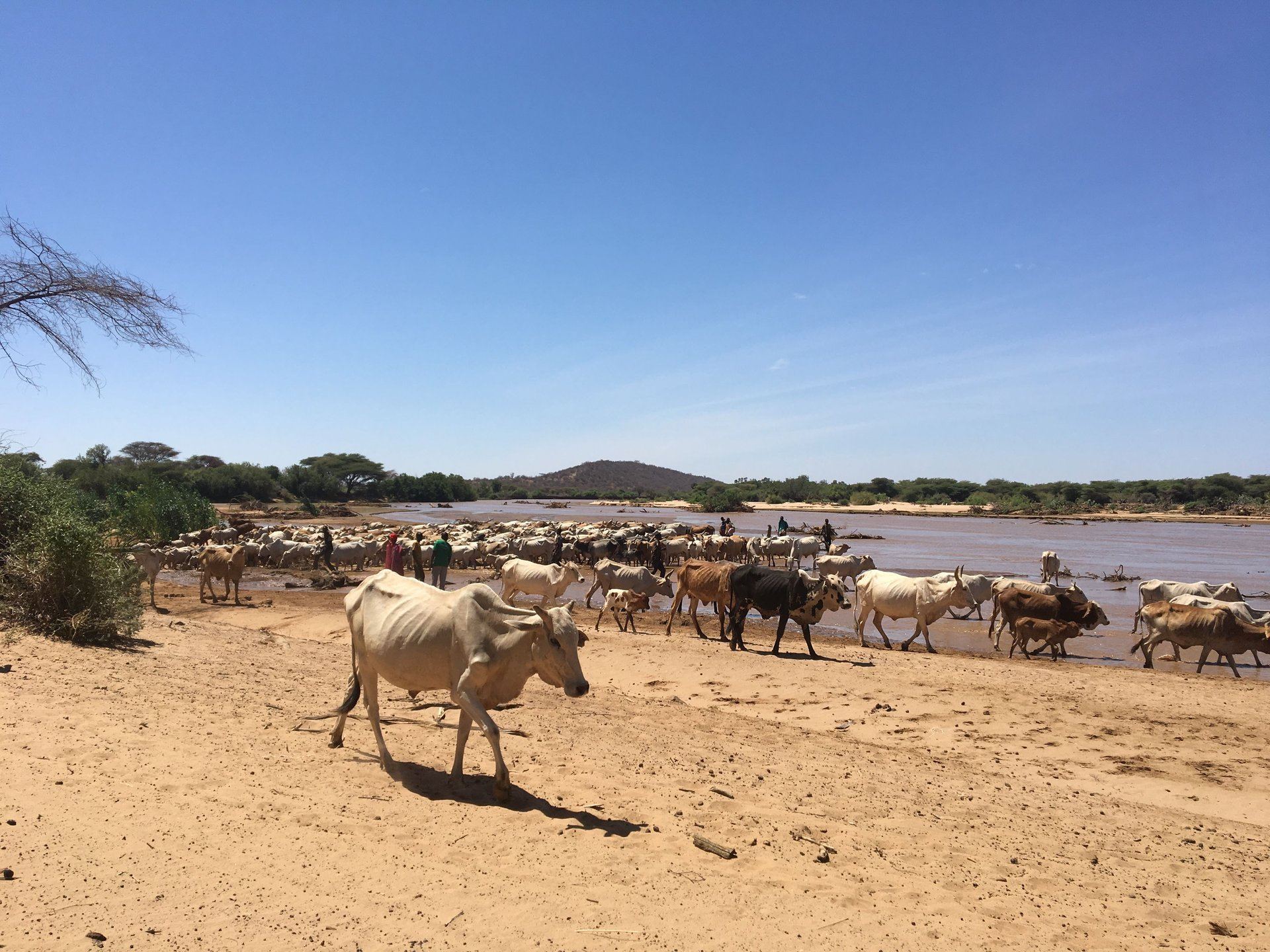
Integrating vector, environmental, human health, and selected animal health data to improve surveillance of mosquito-borne diseases, with Rift Valley fever in Tanzania serving as the initial One Health model.
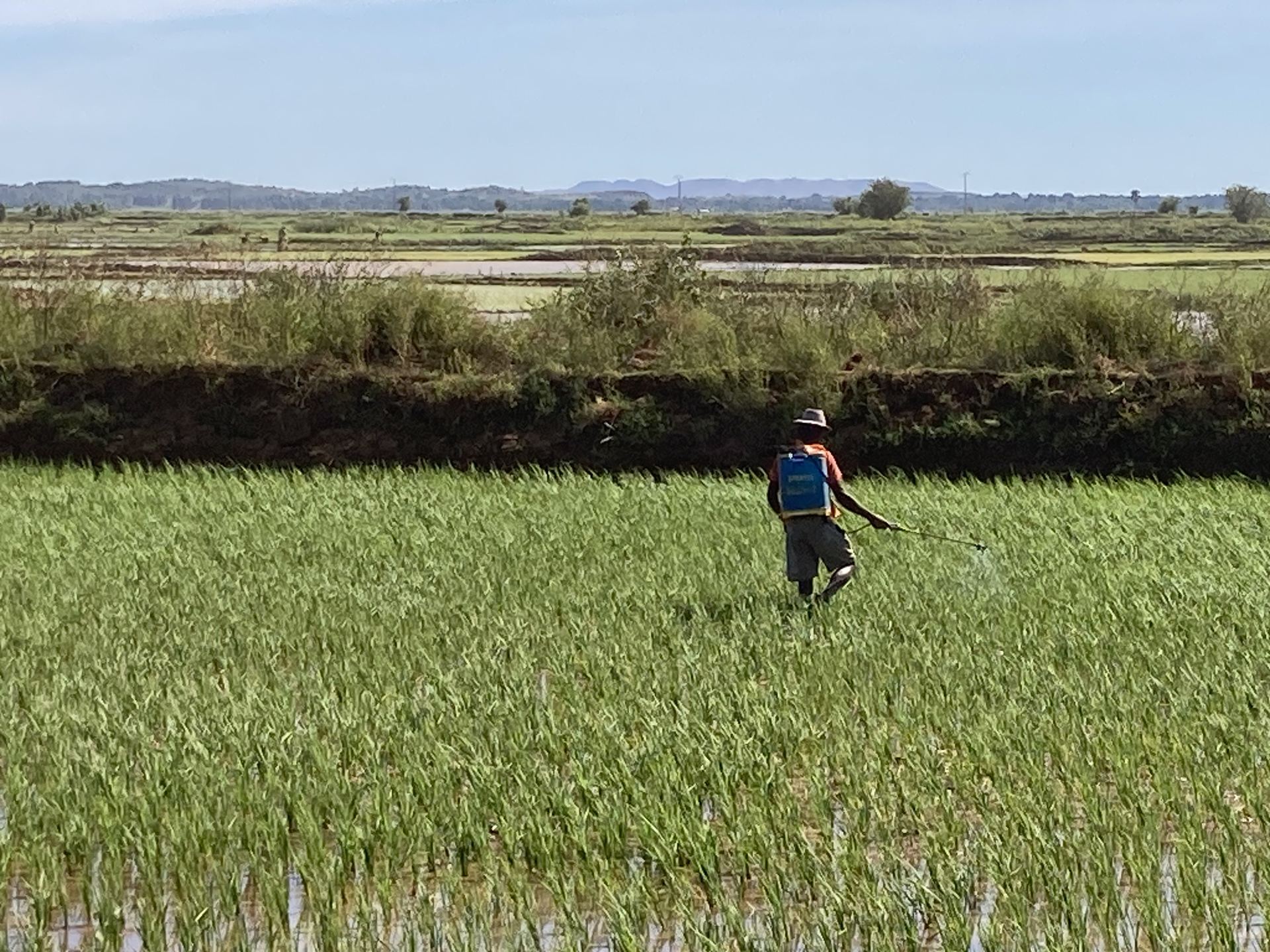
Combining weather-station, microclimate, satellite, and land-use data to assess how environmental change affects mosquito populations, transmission patterns, and disease risk.
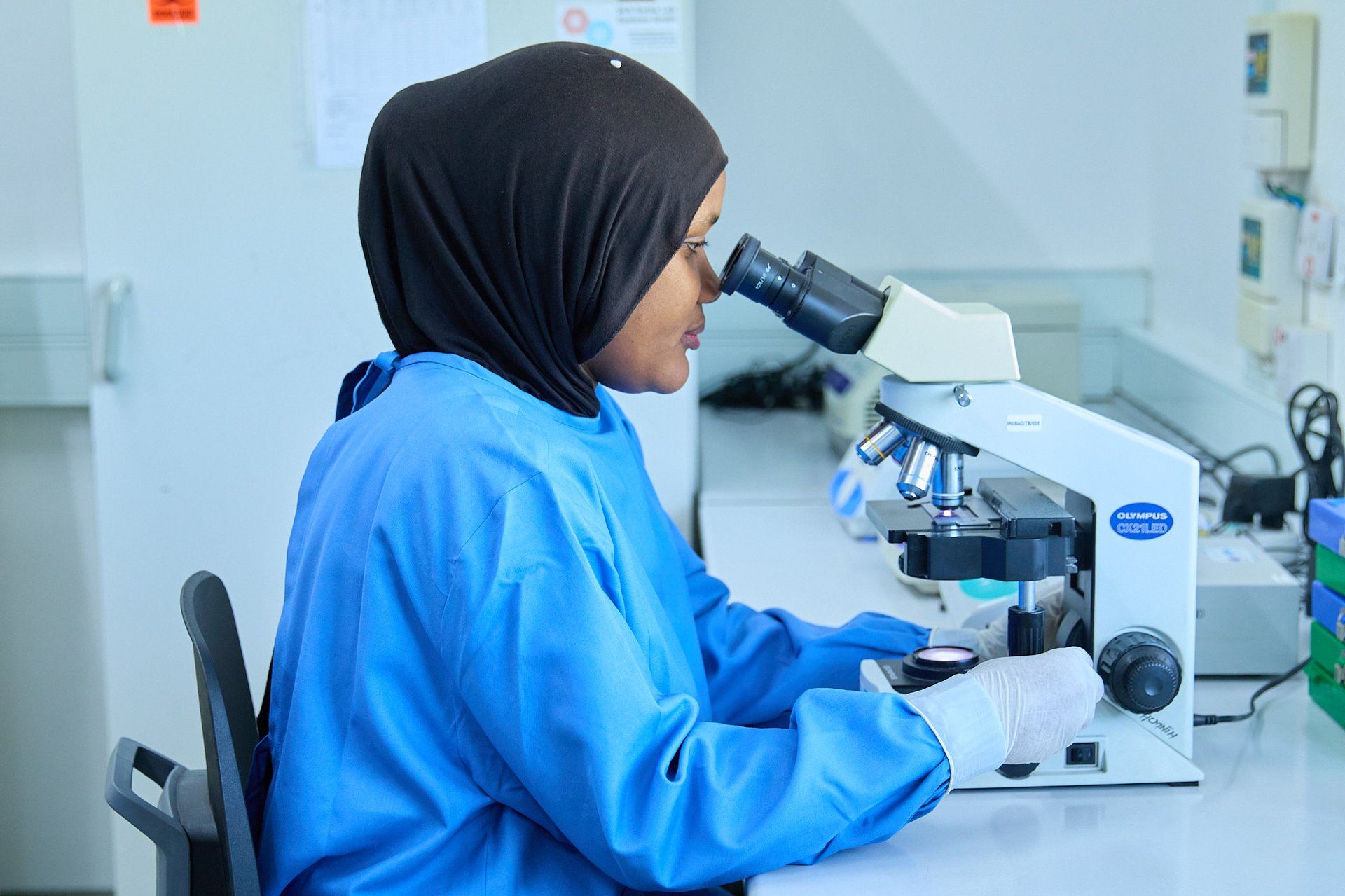
Supporting African scientific leadership through five country-linked PhD studentships and practical training in entomology, genomics, bioinformatics, modelling, and surveillance.
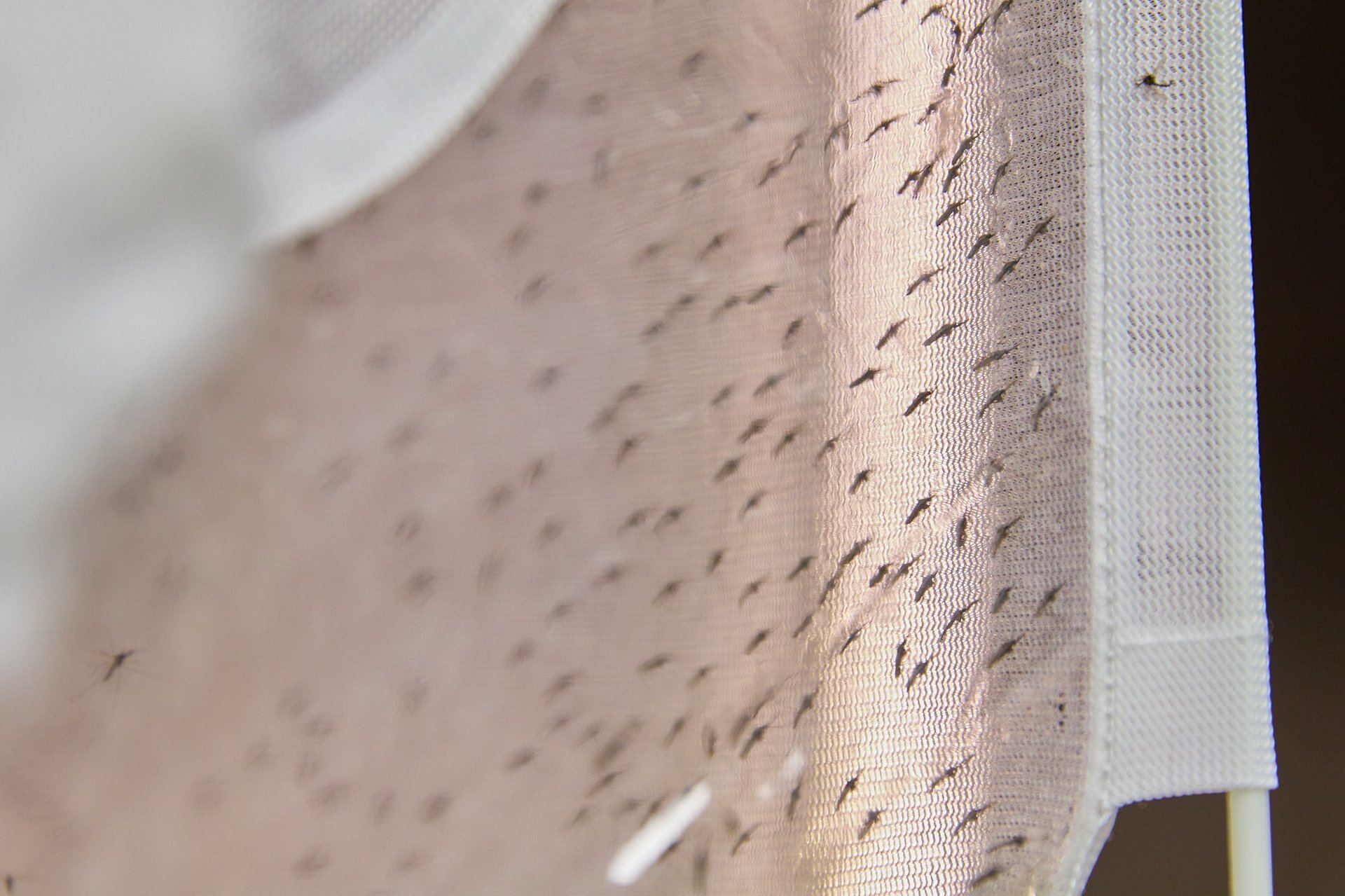
Integrating entomological, environmental, health, and intervention data to forecast mosquito-borne disease risk, evaluate control scenarios, and support in-country public-health decision-making.
Establishing permanent mosquito observatories across East and Southern Africa to track vector populations, insecticide resistance, pathogens, and changing disease risk.
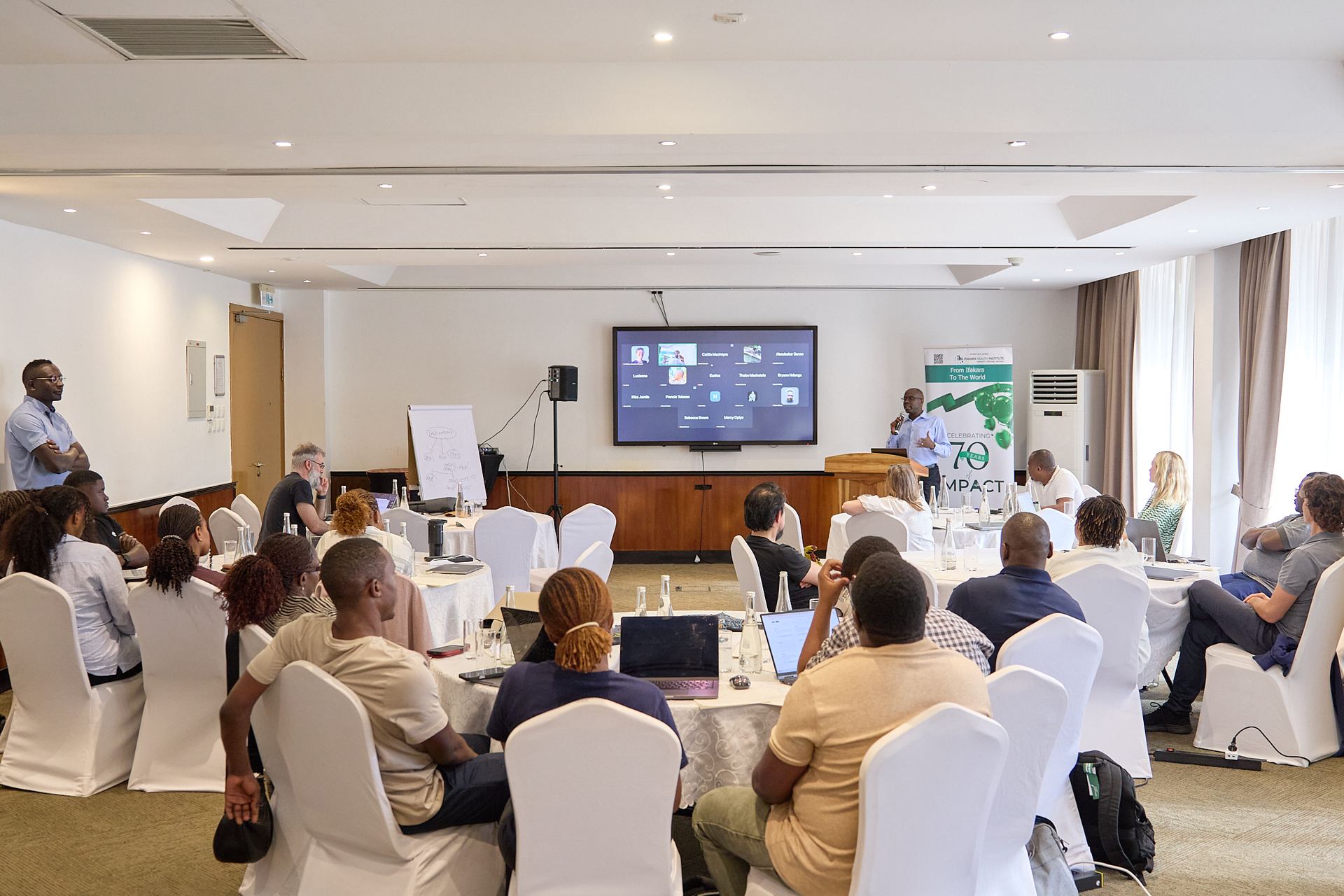
The University of Glasgow is leading a new five-country network to track mosquitoes and the diseases they carry. Permanent monitoring stations will run across Tanzania, Kenya, Mozambique, South Africa, and Madagascar.
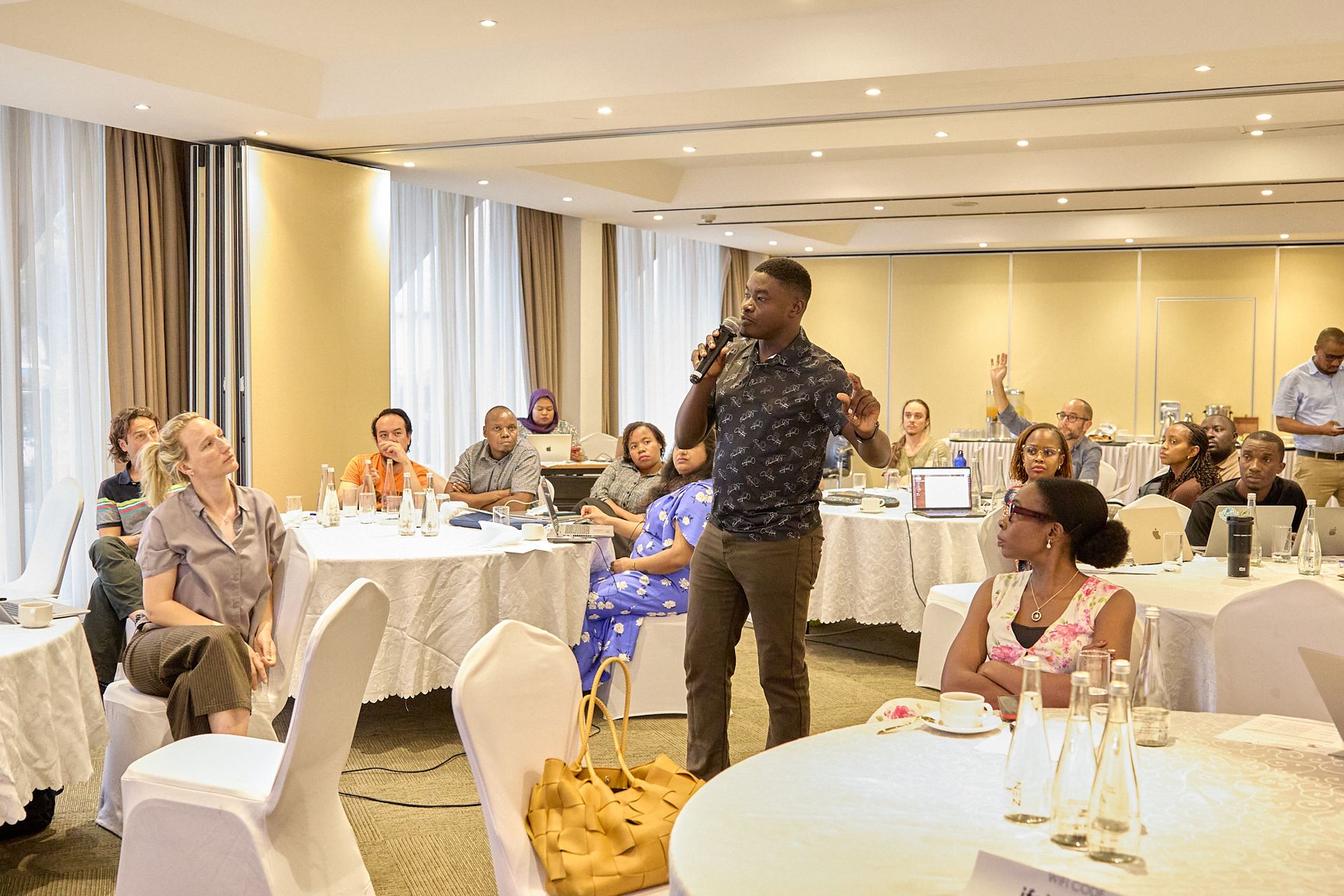
Wits University has joined VectorGrid-Africa as the South African partner. Monitoring will cover four malaria-prone provinces, with all testing done locally at a new biosafety laboratory at the Wits BioHub.
The Outreach Network for Gene Drive Research covers the official start of VectorGrid-Africa, focusing on its One Health approach and how African scientists are being trained to carry out genomic analysis on-site.